 Marine Mitra
What is the minimum water level needed for shrimp stocking?
త్వరిత సమాధానం · Quick answer
The pond should be filled with a minimum water level of 1 metre prior to seed stocking. Optimum culture depth is 1.0 to 1.5 metres at the centre, with at least 0.8 metre at the shallowest point. Below 0.8 metre, benthic algae develops, temperature swings worsen, and oxygen profiles become unstable.
మీ చెరువు పుస్తకం ఫోన్లో · Keep your pond's book on your phone Pond Book · Google Play
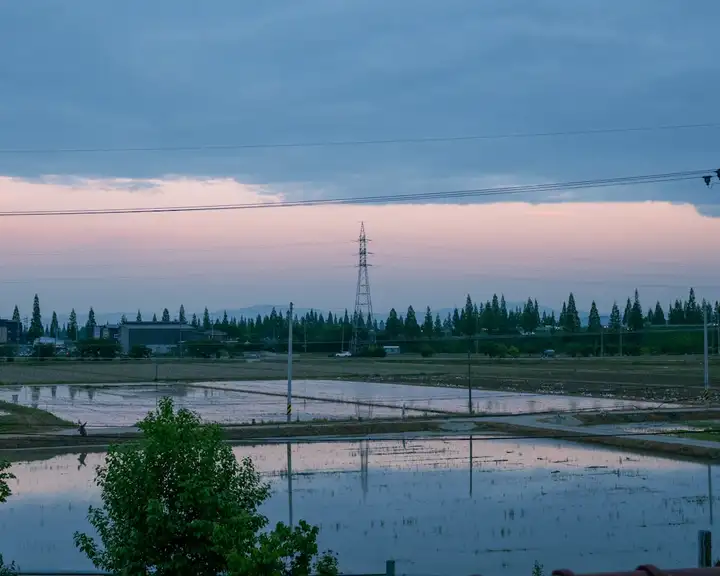
What Water Level to Stock At
It is the day before stocking your vannamei pond in West Godavari. The pond has filled to about 0.7 metre at the centre because of low canal flow. The hatchery delivery is scheduled for tomorrow. Most farmers stock anyway because the schedule is fixed. The honest field truth: stocking into water below the documented minimum starts the crop with a built-in handicap that no amount of management can fully fix.
Why 1 Metre Is the Minimum
Documented stocking guidelines specify the pond is filled with a minimum water level of 1 metre prior to seed stocking. Optimum culture depth is 1.0 to 1.5 metres at the centre, with depth in the shallowest part at least 0.8 metre. Below this minimum, multiple problems compound. Sufficient water depth is needed to reduce risks of growth of benthic algae, which causes lower production and disease risk. Shallow water heats up and cools down faster, creating temperature swings that stress shrimp. Oxygen distribution becomes uneven because mechanical aeration cannot mix shallow water columns properly. Natural food production from plankton is reduced because shallow water has less volume to support a stable bloom. Predator and bird access increases because PL are more visible and accessible. The 1-metre minimum protects against all these problems together, and 1.2 to 1.5 metres at the centre is the operational sweet spot.
The condition that triggers stocking into low water on most farms is rigid scheduling combined with delays in canal water availability or pond filling.
Steps to Confirm Water Level Before Stocking
- Mark a depth gauge stake at the centre of the pond before filling starts. Read it daily during filling.
- Survey the pond bottom. The shallowest point of the pond floor should have at least 0.8 metre water at planned stocking depth.
- Aim for 1.2 to 1.5 metres at the centre and 0.8 to 1.0 metre at the shallowest point.
- If pond depth is below 1 metre at scheduled stocking date, delay stocking by 2 to 5 days while topping up water from a screened reservoir. Better to delay stocking than start with handicap.
- After stocking, monitor depth weekly. Top up if depth drops below 1 metre during dry weather, and drain excess after heavy rain to prevent dyke overflow.
Field Observation
In our monitoring across coastal Andhra Pradesh farms, ponds that maintained water depth above 1.2 metres consistently showed better survival and fewer benthic algae problems. Farms that stocked into low water below 1 metre faced bottom algae growth, oxygen problems, and 10 to 15 percent additional stress mortality through the first 30 days of culture.